Creamy Vegan Tomato Soup with Roasted Garlic
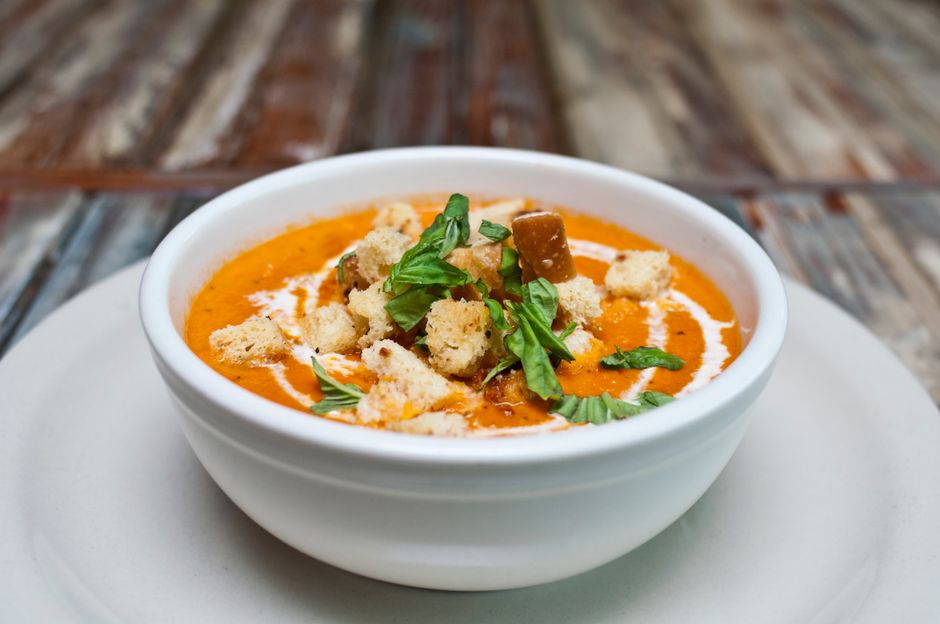
Creating a creamy, dairy-free tomato soup at home often involves balancing richness with lighter ingredients. This approach to a vegan tomato soup with roasted garlic and coconut milk offers a smooth texture and deep flavor without relying on animal products. The process focuses on layering tastes through roasting and blending, resulting in a dish that can fit into various dietary preferences.
Roasted garlic contributes a mellow, sweet depth that raw garlic cannot provide, while coconut milk adds a velvety consistency. The soup can be prepared in about 40 minutes, making it a feasible option for a weeknight meal. Each serving contains approximately 220 calories, though this can vary based on exact ingredient brands and portion sizes. The method emphasizes whole ingredients and simple techniques that are accessible to most home cooks.
This article outlines the key components, preparation steps, and considerations for making this soup. It does not promise specific health outcomes or replace professional dietary advice. Instead, it provides a general framework that can be adapted to individual tastes and nutritional needs.
Understanding the Role of Key Ingredients
The foundation of this soup lies in its primary ingredients: tomatoes, roasted garlic, and coconut milk. Tomatoes provide a natural acidity and sweetness, forming the base of the soup. When roasted, garlic undergoes a transformation that reduces its sharp bite and develops a nutty, caramelized flavor. This process can be done by cutting the top off a whole garlic head, drizzling with a small amount of oil, and baking until the cloves are soft and golden. Coconut milk, particularly the full-fat variety, contributes creaminess and a subtle sweetness. It also helps achieve a smooth mouthfeel without dairy. Other ingredients such as onions, vegetable broth, and herbs like basil or thyme can enhance the profile. Each component plays a role in the final texture and taste, and adjustments can be made based on availability or preference.
Step-by-Step Preparation Process
The preparation begins with roasting the garlic, which can be done ahead of time to save effort during cooking. While the garlic roasts, the onions can be sautéed in a large pot until translucent. Adding the tomatoes, whether fresh or canned, along with broth and seasonings, creates the base. Once the roasted garlic is cool enough to handle, the cloves are squeezed out and added to the pot. Simmering allows the flavors to meld, typically for 15 to 20 minutes. After simmering, the mixture is blended until smooth, either with an immersion blender or a countertop blender. The coconut milk is stirred in at the end to preserve its consistency and prevent curdling. The soup can be served immediately or stored for later. This sequence ensures that each ingredient is properly cooked and integrated.
Tips for Roasting Garlic
Roasting garlic is a straightforward process that yields a versatile ingredient. Preheating the oven to around 400°F (200°C) is common. The garlic head should be sliced horizontally to expose the cloves, then placed on a piece of foil. Drizzling with olive oil and wrapping tightly helps steam the garlic, resulting in soft, spreadable cloves. Roasting time can range from 30 to 40 minutes, depending on the size of the garlic. The cloves should be golden brown and fragrant when done. If using a toaster oven or air fryer, times may need adjustment. Once roasted, the garlic can be used immediately or refrigerated for up to a week. This technique can be applied to multiple recipes, making it a useful skill for home cooks.
Blending for Optimal Texture
Achieving a smooth texture is essential for a creamy soup. An immersion blender allows for blending directly in the pot, reducing cleanup. However, a countertop blender can produce an even smoother result, though it requires transferring hot liquid in batches, which necessitates caution. When using a blender, it is important not to fill it more than halfway with hot soup, as steam can cause the lid to pop off. Venting the lid slightly can help. Blending for a full minute or two ensures that any fibrous bits of tomato or garlic are fully incorporated. For an extra silky consistency, the soup can be strained through a fine-mesh sieve after blending, though this step is optional. The choice of blending method depends on available equipment and desired texture.
Nutritional Considerations and Variations
This soup is naturally vegan and can be part of a plant-based eating pattern. The calorie content of approximately 220 per serving is based on a specific recipe and may vary with ingredient choices. Coconut milk contributes fat, which can affect the overall calorie count; lighter coconut milk or a reduced amount can lower it. Tomatoes provide vitamins and antioxidants, while garlic has been studied for various potential benefits, though individual results vary. To increase protein, consider adding white beans or lentils during blending. For a different flavor profile, herbs such as basil, oregano, or smoked paprika can be introduced. Spiciness can be adjusted with red pepper flakes. The soup can also be thinned with additional broth for a lighter consistency or thickened with a small amount of cornstarch. These adaptations allow the cook to tailor the dish to specific dietary needs or preferences.
Making It Your Own
While the base recipe offers a balanced flavor, there are numerous ways to customize it. Roasting other vegetables like red bell peppers or carrots alongside the garlic can add complexity. Using fire-roasted tomatoes instead of regular canned tomatoes introduces a subtle smokiness. For a creamier soup without coconut milk, cashew cream can be used, though this changes the flavor and nutritional profile. A squeeze of lemon juice or a splash of balsamic vinegar at the end can brighten the flavors. Garnishes such as fresh basil, croutons, or a drizzle of olive oil can enhance presentation and texture. Those who prefer a chunky soup can blend only half of the mixture or use a potato masher for a rustic consistency. The recipe is flexible, and experimentation is encouraged to suit individual tastes.
Serving and Storage Guidelines
This soup can be served hot, with optional toppings like fresh herbs, a swirl of coconut milk, or toasted seeds. It pairs well with a variety of accompaniments, such as a simple green salad, crusty bread, or a grain bowl. For meal prep, the soup can be stored in an airtight container in the refrigerator for up to four days. It also freezes well, though the texture may change slightly upon thawing; reheating gently and stirring can help restore smoothness. When reheating, it is best to do so on the stovetop over low heat, adding a splash of broth or water if needed. The flavors often deepen after a day or two, making leftovers particularly flavorful. Always ensure that the soup is cooled properly before refrigerating or freezing to maintain food safety.
Pairing Suggestions
To complement the soup, consider side dishes that balance its richness. A light salad with a lemon vinaigrette can cut through the creaminess. For a more substantial meal, a sandwich or wrap with hummus and vegetables adds protein and fiber. Whole grain crackers or a slice of sourdough bread can be used for dipping. If serving as an appetizer, smaller portions in cups can be appropriate. Beverage pairings might include sparkling water with lime or a light herbal tea. These suggestions are not mandatory but offer ideas for incorporating the soup into a broader meal.
Addressing Common Questions
Many home cooks wonder if the coconut milk imparts a strong coconut flavor. The type and brand of coconut milk can influence this; full-fat coconut milk tends to have a more pronounced taste, while the garlic and tomatoes often dominate. If concerned, start with a smaller amount and adjust. Another common question is whether the soup can be made oil-free; the oil used for roasting garlic can be omitted by roasting the garlic in a dry pan or using a small amount of broth. However, this may affect the garlic’s texture. Some may ask about using fresh tomatoes versus canned; both work, but fresh tomatoes may require additional seasoning and cooking time. Canned tomatoes are often more consistent in flavor. For those with allergies, coconut milk can be substituted with other plant-based milks, though the result may be thinner. Always check ingredient labels to ensure compliance with dietary restrictions.
Adjusting for Dietary Needs
This recipe is inherently gluten-free, dairy-free, and vegan, but individual ingredients should be verified. For a low-sodium version, use unsalted broth and omit added salt. Those monitoring carbohydrate intake can reduce the amount of onion or use a lower-carb sweetener if needed. If following a specific eating plan, consulting a healthcare provider or registered dietitian is advisable. The recipe can be scaled up or down easily, making it suitable for different household sizes. When scaling, adjust seasonings gradually and taste as you go. The cooking times may also need slight adjustments based on volume.
In summary, this creamy vegan tomato soup with roasted garlic and coconut milk offers a flexible and flavorful option for various occasions. The process is straightforward, and the ingredients are generally accessible. While the recipe provides a framework, personal preferences and dietary needs should guide modifications. By understanding the role of each component and following the outlined steps, home cooks can create a soup that aligns with their tastes. Always rely on professional advice for specific health concerns, and enjoy the process of cooking as a creative and practical activity.