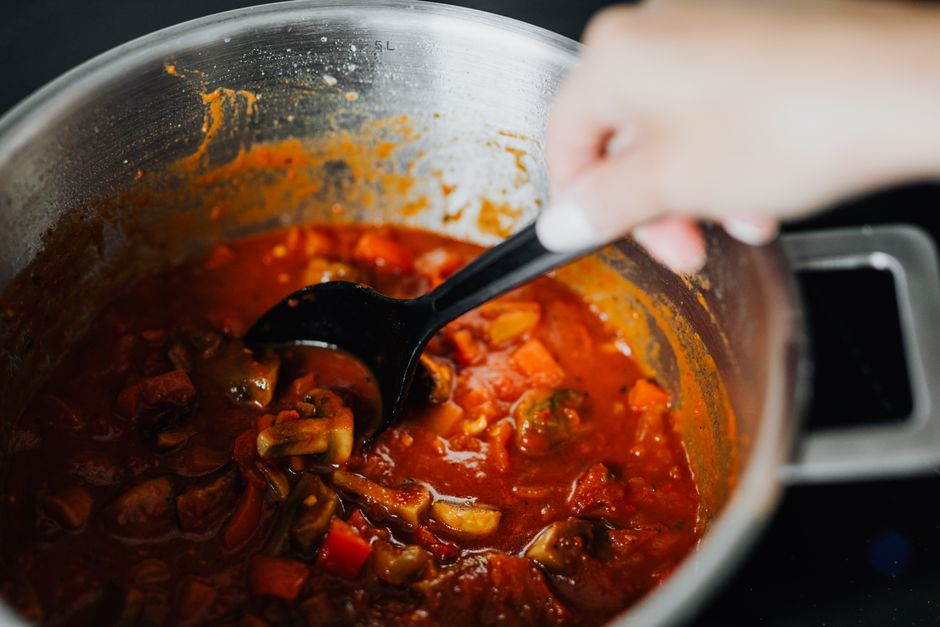
As temperatures drop, the appeal of a warm, hearty meal increases. A lentil and vegetable stew offers a practical option for those seeking a nourishing dish that can be prepared in a single pot. This recipe combines lentils, carrots, and kale, simmering them together in about 45 minutes. The result is a stew that provides approximately 15 grams of protein per bowl, making it a substantial choice for cold days.
The method is straightforward and flexible, allowing for adjustments based on available ingredients or dietary preferences. The slow simmering process melds the flavors, while the lentils contribute a creamy texture without the need for dairy. This article explores the components, preparation steps, and potential variations, emphasizing a process-oriented approach that supports home cooking.
Whether you are new to plant-based cooking or looking for a reliable cold-weather meal, this stew can fit into various routines. The following sections detail the ingredients, cooking technique, and ways to adapt the recipe. The focus remains on clarity and practicality, ensuring that the instructions are easy to follow.
Understanding the Ingredients
Lentils form the base of this stew, offering a source of plant protein and fiber. Brown or green lentils are commonly used because they hold their shape during cooking, while red lentils tend to break down and create a thicker consistency. Each type brings distinct characteristics, and the choice may depend on personal preference or desired texture. Lentils do not require soaking, which simplifies the preparation process.
Carrots add natural sweetness and a pleasant crunch if not overcooked. They also contribute beta-carotene and other nutrients. Chopping carrots into uniform pieces ensures even cooking. Kale, a hearty green, withstands simmering better than more delicate greens like spinach. Removing the tough stems and tearing the leaves into bite-sized pieces helps integrate the kale into the stew. Other common additions include onions, garlic, and celery, which build a flavorful base.
Liquid, such as vegetable broth or water, is essential for simmering. Broth enhances the depth of flavor, while water allows the natural tastes of the vegetables to stand out. Herbs and spices, such as thyme, cumin, or smoked paprika, can be added to suit different palates. A pinch of salt and pepper is typical, though the amount can be adjusted. Olive oil or another cooking fat is often used to sauté the aromatics before adding the liquid.
Step-by-Step Preparation
Begin by preparing the vegetables. Dice the onion, carrots, and celery if using. Mince the garlic. Rinse the lentils under cold water and pick through them to remove any debris. Tear the kale leaves into pieces, discarding the stems. Having all ingredients ready before cooking streamlines the process.
In a large pot, heat a small amount of oil over medium heat. Add the onion, carrots, and celery, and cook until they begin to soften, which usually takes about 5 to 7 minutes. Stir occasionally to prevent sticking. Add the garlic and cook for another minute until fragrant. This step builds a savory foundation for the stew.
Next, add the lentils, broth or water, and any desired herbs or spices. Bring the mixture to a boil, then reduce the heat to a simmer. Cover the pot and let it cook for about 25 to 30 minutes, or until the lentils are tender. The exact time can vary depending on the type and age of the lentils. Stir occasionally and check the liquid level; add more liquid if the stew becomes too thick.
Once the lentils are cooked, stir in the kale. Continue to simmer for another 5 to 10 minutes, until the kale is wilted and tender. Taste and adjust the seasoning with salt and pepper. The stew may thicken as it sits; additional broth or water can be added to reach the desired consistency. Serve hot in bowls.
Nutritional Profile and Considerations
A bowl of this stew, based on typical ingredient amounts, provides around 15 grams of protein. This comes primarily from the lentils, with smaller contributions from the vegetables. The stew is also a source of dietary fiber, vitamins A and C, and iron. The exact nutritional content can vary based on the specific quantities and types of ingredients used. For precise information, consulting a registered dietitian or using a reliable nutritional calculator is advisable.
The protein content makes the stew a satisfying option for a main meal. However, individual protein needs depend on factors such as age, activity level, and overall diet. This stew can be part of a balanced eating pattern but should not be relied upon as the sole source of protein. Pairing it with whole grains, such as brown rice or crusty bread, can increase the total protein and energy content.
Those with specific dietary restrictions should review the ingredients. For example, using a certified gluten-free broth is important for a gluten-free diet. The recipe is naturally vegan if no animal products are used in the broth or for sautéing. As with any recipe, adjustments can be made to accommodate allergies or intolerances. The flexibility of the stew allows for personalized modifications.
Variations and Serving Suggestions
The basic recipe can be adapted in numerous ways. Different vegetables, such as potatoes, sweet potatoes, or bell peppers, can be added along with the carrots. Spinach or Swiss chard can replace kale, though they may require shorter cooking times. For a spicier version, add red pepper flakes or a diced jalapeño. A splash of lemon juice or vinegar at the end can brighten the flavors.
To increase the protein content, consider adding cooked quinoa, diced tofu, or a dollop of Greek yogurt (if not avoiding dairy). However, these additions will alter the nutritional profile. The stew can be served as is or over grains like rice, farro, or couscous. It also pairs well with a side salad or a piece of whole-grain bread.
Leftovers can be stored in an airtight container in the refrigerator for up to four days. The stew may thicken upon chilling; simply add a little water or broth when reheating. It can also be frozen for longer storage, though the texture of the vegetables may change slightly. Reheat gently on the stovetop or in a microwave, stirring occasionally.
For those who meal prep, this stew is a convenient option. It can be made in advance and portioned for lunches or dinners. The one-pot method reduces cleanup, making it suitable for busy days. Green Plate encourages experimenting with seasonal vegetables and herbs to keep the dish interesting throughout the colder months.
“Cooking a pot of lentil stew is a simple way to incorporate more plants into your meals. The process is forgiving, and the result is a warm, nourishing dish that can be enjoyed by many.”
Conclusion
Lentil and vegetable stew is a practical and adaptable meal for cold days. With basic ingredients and a straightforward method, it can be prepared in under an hour. The combination of lentils, carrots, and kale offers a balance of flavor and nutrition, including approximately 15 grams of protein per bowl. By understanding the ingredients and steps, individuals can tailor the recipe to their preferences and dietary needs.
The stew exemplifies how simple cooking techniques can yield satisfying results. It requires minimal supervision and can be easily scaled up or down. Whether for a weeknight dinner or a meal prep option, this stew provides a comforting option. As with any recipe, feel free to adjust seasonings and ingredients to suit your taste.