Quinoa and Chickpea Salad with Lemon Vinaigrette
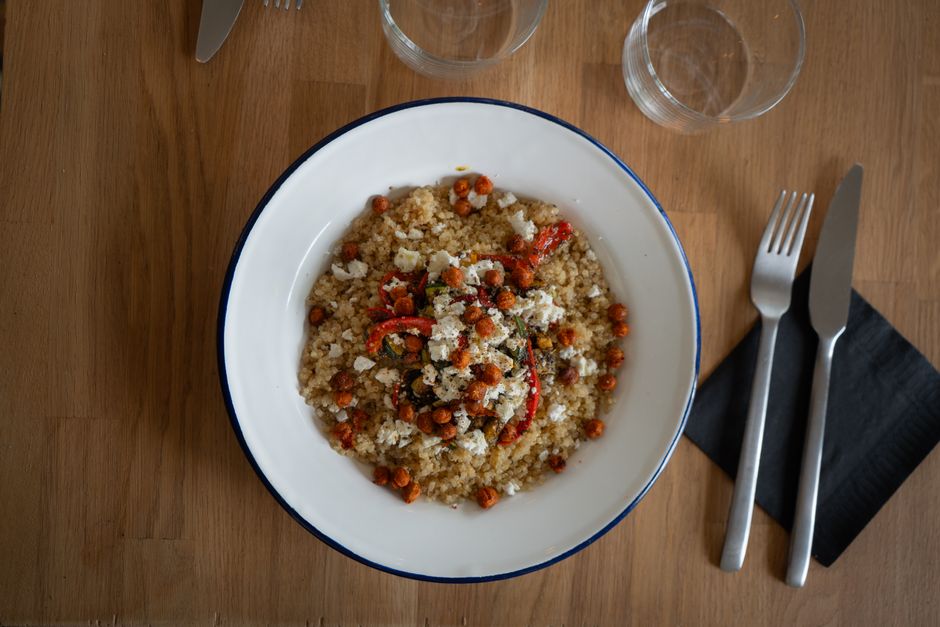
In the realm of meal preparation, balancing nutrition, flavor, and convenience often presents a challenge. A quinoa and chickpea salad with lemon vinaigrette offers a structured approach to creating a dish that can be enjoyed over several days. This salad combines plant-based proteins, fresh vegetables, and a bright dressing, making it a versatile option for those who plan meals in advance.
The concept centers on the complementary textures and nutritional profiles of quinoa and chickpeas. Quinoa, a seed often treated as a grain, provides a light, fluffy base, while chickpeas add a creamy, firm bite. Cucumber introduces a crisp, hydrating element, and the lemon vinaigrette ties the components together with a tangy, refreshing note. This article explores the components, preparation methods, and considerations for incorporating this salad into a meal prep routine.
For those who follow specific dietary patterns, this salad can be adapted to various preferences. It is naturally vegetarian and can be made vegan. The ingredients are generally accessible in most grocery stores across the United States. The focus here is on the process and methodology, providing a framework that can be adjusted based on individual tastes and nutritional goals.
Understanding the Core Ingredients
Quinoa serves as the foundation of this salad. It is a complete protein, meaning it contains all nine essential amino acids that the body cannot produce on its own. This property makes it a valuable component in plant-based diets. Quinoa is available in several varieties, including white, red, and black, each with slightly different textures and cooking times. White quinoa tends to be the most common and cooks relatively quickly, while red and black quinoa have a chewier texture and may require a few extra minutes of cooking.
Chickpeas, also known as garbanzo beans, contribute additional protein and fiber. They are a staple in many cuisines, particularly in Mediterranean and Middle Eastern cooking. Canned chickpeas are a convenient option, as they are pre-cooked and ready to use after draining and rinsing. Dried chickpeas require soaking and longer cooking times but can offer a different texture and flavor profile. When using canned chickpeas, rinsing them well can help remove excess sodium and improve the overall taste of the salad.
Cucumber adds a refreshing crunch and high water content, which can help balance the denser ingredients. English cucumbers or Persian cucumbers are often preferred because they have thinner skins and fewer seeds, reducing the need for peeling and seeding. However, regular cucumbers can also be used; if the skin is thick or waxy, peeling may be desirable. The cucumber should be diced into uniform pieces to ensure even distribution throughout the salad.
The lemon vinaigrette is the final key component. A basic vinaigrette typically consists of olive oil, lemon juice, and a sweetener such as honey or maple syrup, along with salt and pepper. The ratio of oil to acid can vary, but a common starting point is three parts oil to one part lemon juice. This dressing adds brightness and helps meld the flavors of the salad. For those who prefer a less tart dressing, the amount of lemon juice can be reduced, or a small amount of Dijon mustard can be added to emulsify and soften the acidity.
Preparation Methodology
Preparing this salad involves several steps that can be organized for efficiency. The first step is cooking the quinoa. Quinoa should be rinsed thoroughly under cold water before cooking to remove its natural coating, called saponin, which can impart a bitter taste. The rinsed quinoa is then combined with water or broth in a pot, brought to a boil, and then simmered until the liquid is absorbed. A general rule is to use two parts liquid to one part quinoa. After cooking, the quinoa should be fluffed with a fork and allowed to cool to room temperature before being incorporated into the salad. Cooling the quinoa prevents it from wilting the cucumber and allows the flavors to blend without becoming soggy.
While the quinoa cooks, the chickpeas and cucumber can be prepared. If using canned chickpeas, they should be drained and rinsed in a colander. The cucumber should be washed, and if desired, peeled. It is then diced into pieces roughly the same size as the chickpeas. Uniformity in size helps ensure that each bite contains a balanced mix of ingredients. Any excess moisture from the cucumber can be blotted with a paper towel to prevent the salad from becoming watery over time.
The lemon vinaigrette can be made in a small bowl or a jar with a tight-fitting lid. The olive oil, lemon juice, sweetener, salt, and pepper are combined and whisked or shaken until emulsified. Additional flavorings such as minced garlic, chopped fresh herbs like parsley or mint, or a pinch of red pepper flakes can be added according to preference. The dressing can be made ahead of time and stored in the refrigerator for up to a week.
Once all components are ready, they are combined in a large mixing bowl. The cooled quinoa, chickpeas, and cucumber are gently tossed together. The vinaigrette is then poured over the mixture and stirred until everything is evenly coated. The salad can be served immediately, but allowing it to chill in the refrigerator for at least 30 minutes can help the flavors meld. This salad can be stored in an airtight container in the refrigerator for up to four days, making it suitable for meal prep.
Meal Prep Considerations
When preparing this salad for meal prep, several factors can influence the final result. One consideration is the order in which ingredients are layered if storing in individual portions. To prevent the cucumber from becoming too soft, it can be stored separately and added just before eating. Alternatively, the salad can be assembled entirely and stored; the cucumber will release some water, but the overall texture may still be acceptable. Using a dressing that is added just before serving can also help maintain the crispness of the cucumber and the integrity of the other ingredients.
Portion sizes can be adjusted based on individual energy needs and dietary goals. A typical serving might include one to one-and-a-half cups of the salad. This can be paired with additional protein sources such as grilled chicken, tofu, or fish for a more substantial meal. The salad can also be served over a bed of greens like spinach or arugula to increase volume and nutrient density. For those following a gluten-free diet, it is important to ensure that all ingredients, including any added grains or dressings, are certified gluten-free.
Storage containers should be clean and airtight to maintain freshness. Glass containers are often preferred as they do not retain odors or stains and can be easily cleaned. If the salad is to be transported, a leak-proof container is essential. Keeping the salad chilled until consumption is recommended for food safety. The salad should not be left at room temperature for more than two hours.
From a nutritional perspective, this salad provides a mix of carbohydrates, protein, fiber, and healthy fats. The exact nutritional profile will vary based on the specific quantities and types of ingredients used. For example, using less oil in the vinaigrette reduces fat content, while adding more chickpeas increases protein and fiber. Individuals with specific dietary requirements may wish to consult a healthcare professional or registered dietitian to ensure the salad aligns with their needs.
Variations and Adaptations
The basic recipe for quinoa and chickpea salad with lemon vinaigrette can be adapted in numerous ways. Seasonal vegetables such as cherry tomatoes, bell peppers, or zucchini can be added for color and variety. Fresh herbs like cilantro, dill, or basil can alter the flavor profile. Spices such as cumin, coriander, or smoked paprika can be incorporated into the dressing or sprinkled over the salad. For a creamier texture, a spoonful of tahini or Greek yogurt can be blended into the dressing.
Protein sources can be varied. While chickpeas are a primary protein in this salad, other beans such as black beans, white beans, or lentils can be used. Cooked grains like farro, brown rice, or couscous can be substituted for quinoa, though this may change the nutritional profile and cooking methods. For a vegan version, ensure that the sweetener used is plant-based, such as maple syrup or agave nectar, rather than honey.
When making substitutions, it is important to consider how the changes affect the overall balance of flavors and textures. For instance, replacing cucumber with a softer vegetable like avocado would require adjusting the dressing to account for the creaminess. Similarly, using a different acid like lime juice instead of lemon juice would shift the flavor from bright and tangy to more tart and citrusy. The key is to maintain a harmonious combination that suits individual preferences.
In conclusion, the quinoa and chickpea salad with lemon vinaigrette is a flexible dish that can be tailored to various dietary patterns and taste preferences. Its preparation involves straightforward steps that can be organized efficiently for meal prep. By understanding the role of each ingredient and the impact of different preparation methods, individuals can create a salad that meets their needs and fits into their routine. As with any recipe, experimentation and adjustment are part of the process, leading to a personalized version that can be enjoyed throughout the week.